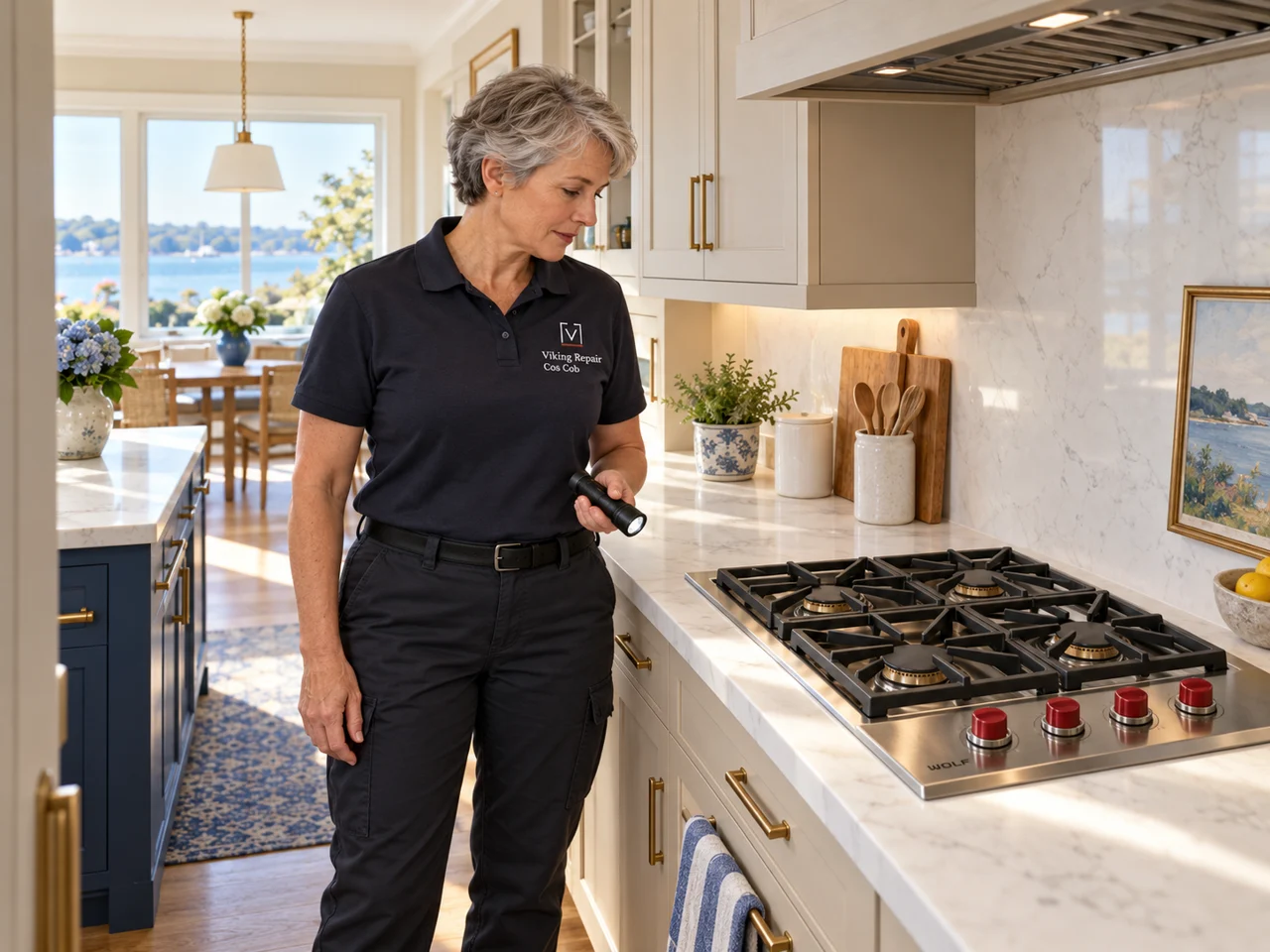
While you arrange service
Keep the door closed and arrange alternative storage if conditions are unsuitable for the collection. Record the affected zone and setting. Do not move a built-in unit or open refrigerant components.
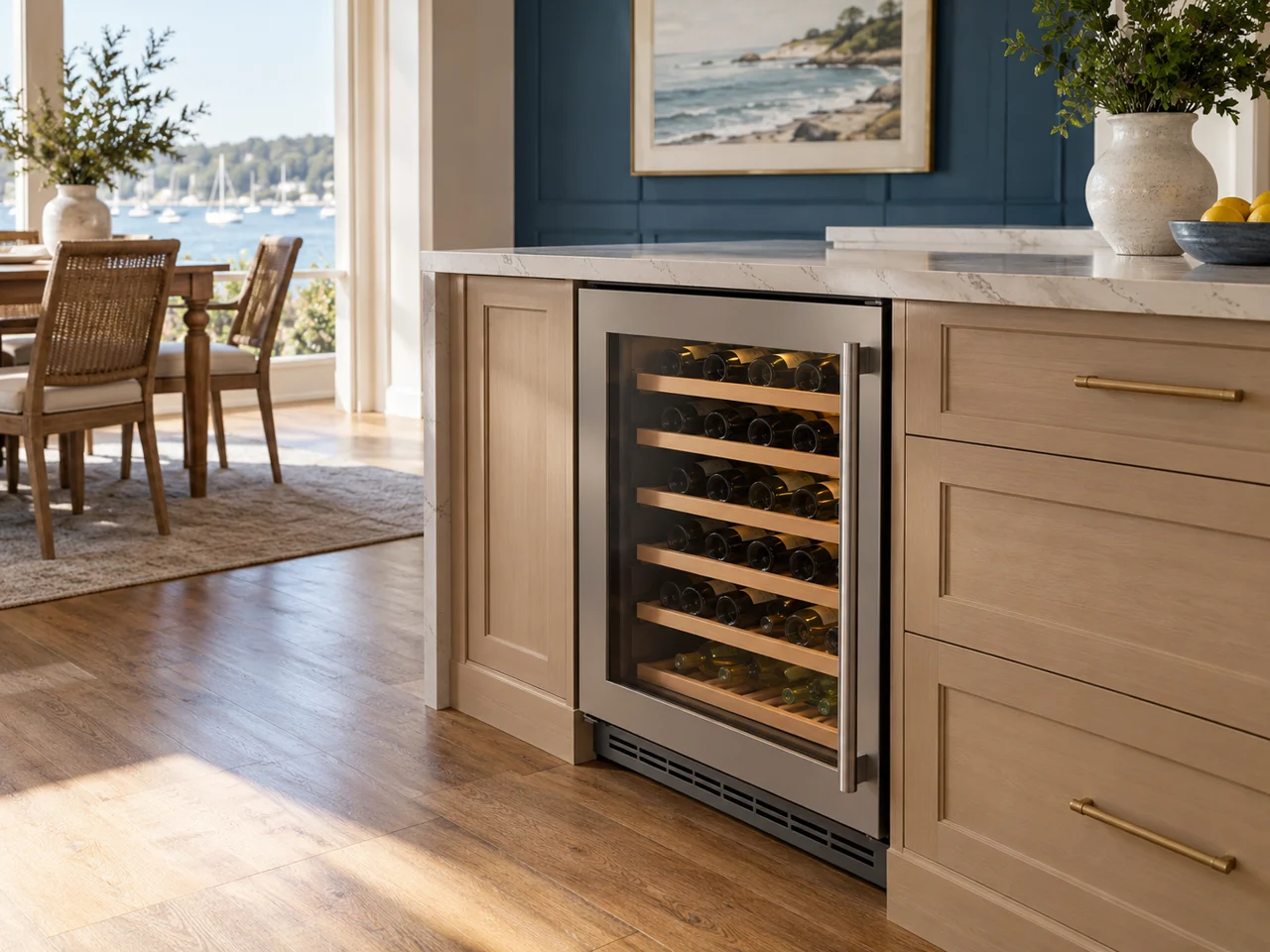
A useful detail for this request
For an undercounter installation, describe visible ventilation restrictions without removing the grille. Cabinet clearances can matter to the inspection plan.
Changes you may notice
- One storage zone drifts from its setting.
- The cabinet is louder or vibrates more than before.
- Condensation appears around the door.
- The control display responds but cooling does not follow.
- A door seal has a visible gap.
Checks behind a repair recommendation
Testing is adapted to the appliance and reported behavior. The items below guide the inspection; they are not a promise that a particular component needs replacement.
- Temperature behavior in each zone
- Door sealing, ventilation and installation clearances
- Fan noise, vibration and cooling operation
- Sensors and control commands
Prepare the details that matter
Vibration can come from installation contact as well as moving components. Cabinet position and clearance are part of the diagnostic context.
Wine storage performance is about stable conditions, not simply making the cabinet colder. Record which zone changes and how the other behaves.
A brand, appliance type and concise symptom description are enough to begin. Installation restrictions can be discussed without moving or dismantling the appliance.
From request to an agreed repair
The service process has a clear decision point: diagnosis first, approval second. Ask about the scope, parts and price before authorizing work.
The diagnostic/service call is $95 and is credited toward an approved repair. An itemized repair price is agreed after diagnosis and before work. Genuine OEM parts are used. Same-day and emergency appointments depend on schedule and location.
Parts, warranty and scope
1-Year Parts & Labor Warranty covers parts installed and labor performed under normal use. It excludes new unrelated faults, misuse, power surges and work performed by others after the service visit.
Genuine OEM parts are used. Refrigerant and sealed-system work is performed by an EPA-certified technician. This is independent service, with no claim of manufacturer endorsement.
Helpful answers
Before you arrange service
Is a noisy cooler necessarily losing cooling?
No. Noise and temperature may be separate observations. Describe both rather than assuming they have the same cause.
Can one zone fail while the other seems normal?
Yes. Zone-specific observations help guide inspection, but the cause still needs testing. Include both displayed settings in the service description.
Does repair require replacing the whole cooler?
Not automatically. The technician evaluates the fault, access and parts options before providing a repair recommendation.